










Give Away the Keys
A few years ago, my friend Jack and I sat down to lunch with an experienced restaurateur. Over the years, the middle-aged, heavyset man had built a thriving empire of eateries in the South. He was confident yet wholly unassuming as we peppered him with questions about how he had developed such a successful organization. Before long, the casual lunch had morphed into a full-on master class in leadership.
The restaurateur said one thing that’s stuck with me over the years:
“I don’t have the keys to my own restaurants.”
We asked for clarification.
He continued, “I don’t have a single key; I couldn’t get into any of my own restaurants. Why would I need to? A lot of keys is a batch of dumbness. If there’s a issue, a malfunction, or late-night delivery—I shouldn’t be the one they call—it’s the store manager. When store managers feel total ownership over their stores, almost everything else falls into line. My goal is that people leave working with me as better people—and if I do too much, I cheat my people out of growth. In fact, I’ve learned that leadership is the art of becoming unnecessary.”
Oftentimes as leaders, we hold too tightly to our domain—whatever it is at the time. It’s our instinct to want the keys, the power, the final say, and the credit. Maybe we don’t trust others to do it as well, or as fast as we could. Our innate desire for self-preservation and self-importance prompts tightly clenched fists.
In almost every example I’ve seen, heard of, or been a part of, this tight-fisted method of leadership delivers subpar results. The team, recognizing their lack of agency, does half-hearted and disengaged work. Problems compound on the leader’s plate rather than being solved on the frontlines, impeding speed and innovation. A culture of fear wins out over creativity, the leader grows increasingly stressed, and the team operates at a fraction of their possible greatness.
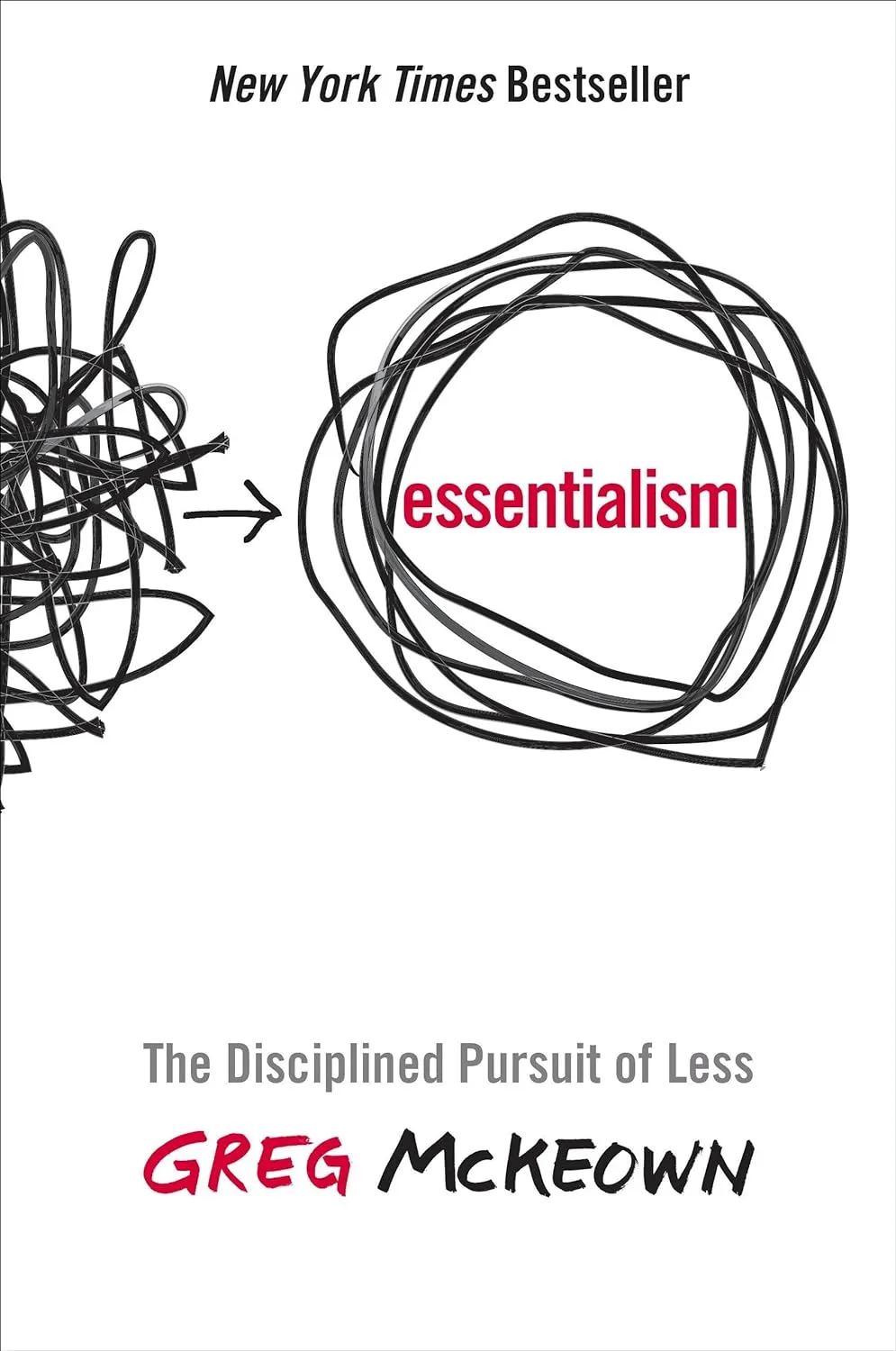
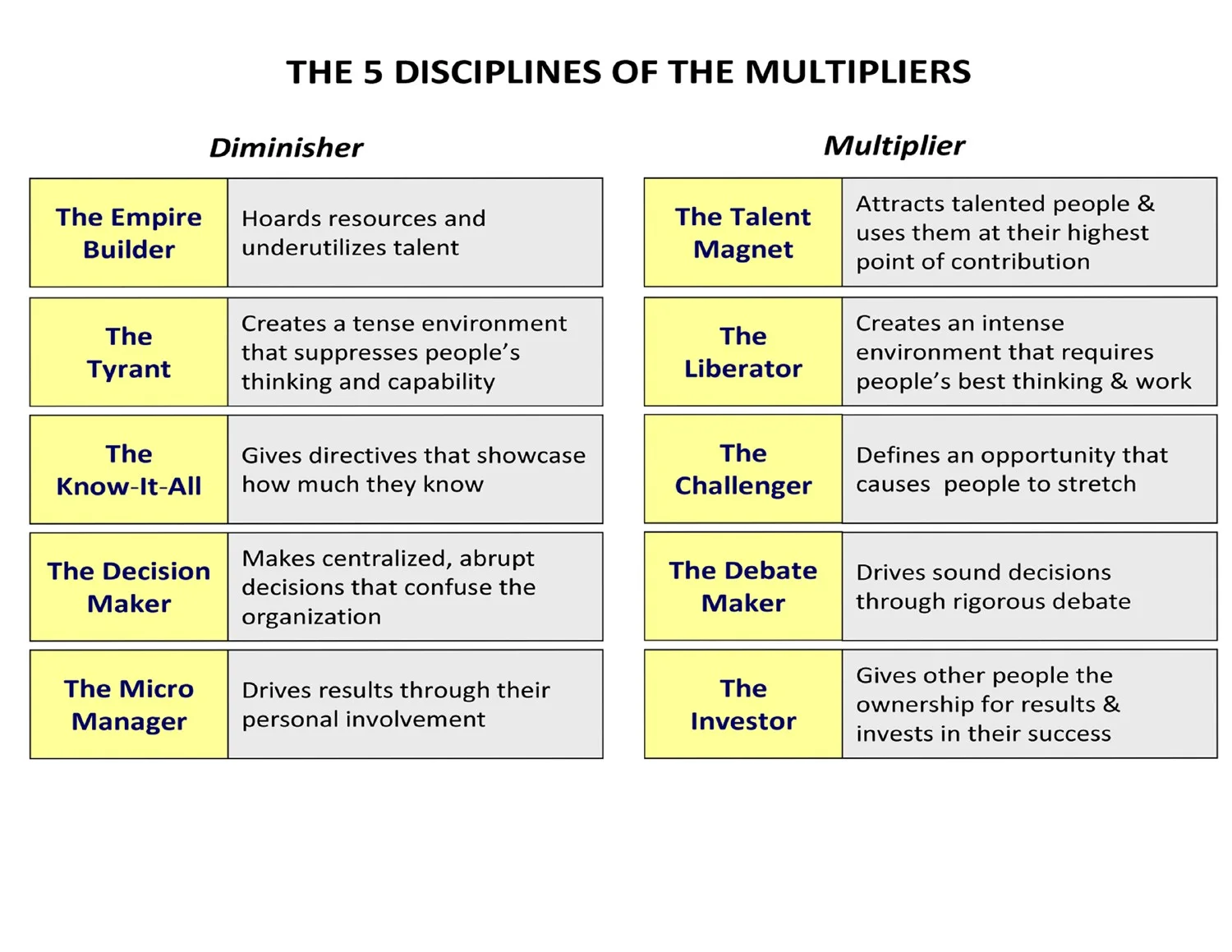
Some of my favorite business authors, Liz Wiseman and Greg McKeown, would label “giving away the keys” as multiplier behavior. A multiplier leader doesn’t just add together the efforts and skills of their team—their presence multiplies the team’s ability to deliver results (see the five disciplines of a multiplier below).
Multiplier leaders who “give away the keys” invest in trustworthy people, challenge their team to stretch their skills, and liberate employees to do their best work. Oftentimes, that end requires radical empowerment by the manager—trusting employees do challenging things, then leaning into the uncomfortable, yet powerful art of becoming unnecessary.
Our restauranteur was a multiplier. I’d like to be one too.
Are there keys I’m holding too tightly? Which project, process, or responsibility should I entrust to someone else today? These questions are worth every minute of self-reflection. Before you know it, you just might not have any keys to your own restaurants—and your team will be better for it.
From Multipliers by Liz Wiseman & Greg McKeown. Multiplier leaders make everyone better, while diminishers decrease performance and morale on the team.